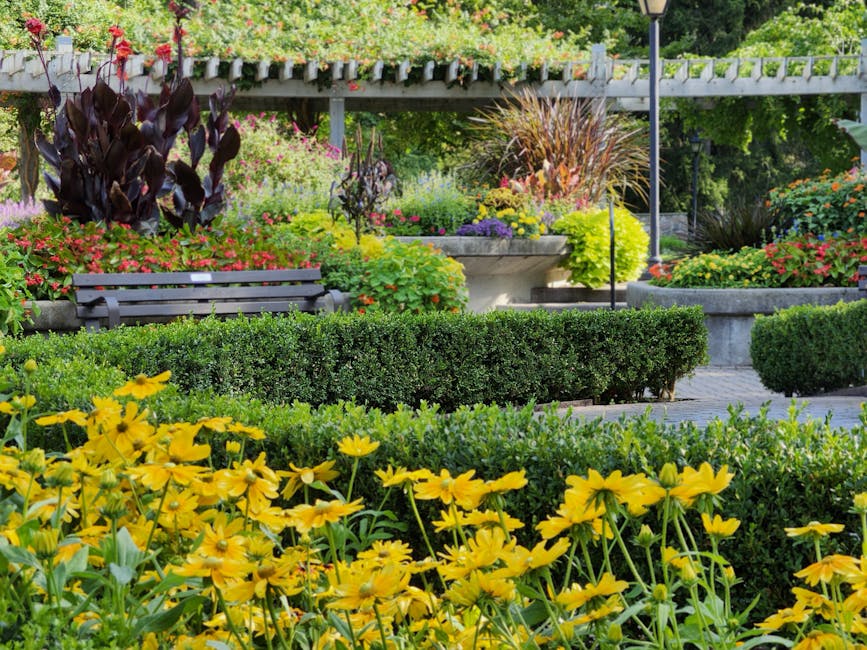
Northwood Station Garden Guide from Local Gardeners and Designers
If you live near Northwood Station, you already know the garden conditions can be a little mixed: pockets of shelter, a few exposed corners, mature trees in some streets, and those awkward shaded patches that never quite know what to do with themselves. This Northwood Station garden guide from local gardeners and designers is built for exactly that kind of real-life garden. Not a fantasy border. Not a showroom lawn. A garden you can actually enjoy on a Tuesday evening, even after work, when the kettle's on and the light is going soft.
In this guide, you'll find straightforward advice shaped by local experience: how to choose plants that cope well with Northwood's setting, how to design for privacy without boxing yourself in, how to reduce maintenance, and how to avoid the mistakes that leave many gardens looking tired by midsummer. You'll also see when it makes sense to bring in professional help, whether that's for general gardening support, more tailored landscaping, or a proper refresh for an overgrown space.
Truth be told, the best gardens near station areas are rarely the fanciest ones. They're the ones with a clear plan, the right plants in the right places, and a layout that suits the people who use them. Let's get into it.
Why Northwood Station garden guide from local gardeners and designers Matters
A local garden guide matters because climate, soil, light, and day-to-day use all shape what will succeed. Around Northwood Station, many gardens sit between older planting schemes and newer practical demands: family use, privacy, pet-friendly layouts, and low-maintenance upkeep. That means a one-size-fits-all approach tends to fail quietly. The lawn looks patchy. The hedge becomes a job instead of a feature. Shade-loving plants get baked in one corner and drowned in another. A bit messy, really.
Local gardeners and designers tend to look at the garden as a system. They consider how the gate opens, where wind funnels through, where rain pools, and which areas get morning sun versus late afternoon shade. That local perspective is useful because it helps avoid expensive guesswork. It also means the garden can feel more settled in its surroundings, which matters more than people think.
There's another reason this approach is valuable: gardens near station routes often need to work hard. They need to look good fast, handle regular foot traffic, stay tidy, and still feel welcoming at the end of the day. A decent design should make life easier, not add chores every weekend.
Expert summary: the strongest Northwood Station gardens are usually the most considered ones, not the biggest ones. Start with conditions, then shape the style around them.
How Northwood Station garden guide from local gardeners and designers Works
The process is simpler than many people expect. A good local garden plan usually begins with observation, then moves into priorities, then into planting and structure. That order matters. If you choose plants before you understand the site, you may end up fighting the space instead of using it well.
Here's the practical flow most experienced gardeners follow:
- Assess the site. Look at sun, shade, wind, drainage, privacy, and access.
- Decide how the garden will be used. Is it for relaxing, entertaining, children, dogs, herbs, wildlife, or all of the above?
- Set a maintenance level. Be honest. If you dislike constant deadheading, avoid fussy schemes.
- Choose the structure. This may include hedges, paths, raised beds, patios, screens, or lawn edges.
- Pick plants that suit the site. Native-friendly, drought-tolerant, shade-tolerant, or evergreen options may be the most sensible fit.
- Build seasonal interest. Mix evergreen backbone planting with flowers, texture, and movement.
- Plan for upkeep. Regular pruning, watering, feeding, and clearing should feel manageable.
Designers often do one helpful thing very well: they create a visual rhythm. In plain English, that means the garden feels connected from one area to the next. A small seating area leads into planting, planting softens a boundary, and the boundary doesn't shout at you. That kind of flow makes even modest spaces feel much more complete.
Local gardeners also tend to think in practical seasons. Spring is for establishing growth. Summer is for keeping plants hydrated and contained. Autumn is for recovery, tidying, and mulching. Winter is for protection and structure. It sounds obvious, but gardens become much easier when they're planned around the calendar instead of wishful thinking.
Key Benefits and Practical Advantages
The biggest advantage of a locally informed garden guide is that it helps you make decisions that hold up in the real world. Not just on day one. Over time. In wet spells, dry spells, and those weird in-between weeks when the weather can't quite make its mind up.
- Better plant survival: plants chosen for the right light and soil usually need less rescue work.
- Lower maintenance: the right layout can reduce mowing, edging, and constant replanting.
- Improved privacy: hedges, climbers, and layered planting can shield a garden without making it feel boxed in.
- More usable space: clear circulation paths and seating zones make the garden feel bigger.
- More year-round appeal: evergreens, textured leaves, bark, and structure prevent the winter "empty bowl" effect.
- Better resilience: good planning helps gardens cope with wind, heavy rain, frost, and hot spells.
A lot of people also underestimate the emotional benefit. A well-planned garden is calmer to look after. You notice it when weeds don't seem to take over overnight and when the borders still look intentional in late August, not just after a tidy-up. Small thing? Maybe. But it changes how the whole home feels.
If your garden has become a bit neglected, don't panic. Many are recovered in stages rather than one dramatic overhaul. The article on rejuvenating a neglected garden space is a helpful companion if that sounds familiar.
Who This Is For and When It Makes Sense
This guide is useful if you're in one of several very common situations. You may have moved into a house near Northwood Station and inherited a garden that looks tidy on the surface but awkward underneath. Or maybe you've lived there for years and the garden has slowly drifted out of shape. That happens. A lot.
It also makes sense if you are:
- a homeowner wanting a smarter, more attractive outdoor space
- a busy family needing a child-friendly, safe layout
- a dog owner trying to balance pets with planting
- someone with a shady, windy, or narrow garden that needs a tailored plan
- a landlord or property owner improving presentation between tenancies
- a beginner who wants a garden that doesn't feel overwhelming
- someone preparing to sell and wanting stronger kerb appeal and back garden impact
Design choices vary a lot depending on lifestyle. A single person who likes evening reading outdoors may need a very different setup from a family of five or someone who gardens mainly for herbs and cooking. There isn't one "right" answer. There's only the version that fits your actual life.
If privacy is a concern, you might want to look at options like fast-growing hedges for privacy. If you're working with a compact plot, vertical gardening ideas can open things up more than people expect.
Step-by-Step Guidance
Here's a sensible way to tackle a Northwood Station garden without making it harder than it needs to be.
1. Walk the garden at different times of day
Morning light and afternoon light can make a big difference. A border that looks bright at 10am may be in deep shade by 4pm. Watch where the sun falls, where the damp lingers, and where people naturally gather. You'll notice patterns within a few minutes.
2. Clear the obvious problem areas first
Before planting anything, deal with the stuff that blocks progress: broken edging, invasive ivy, overgrown shrubs, and tired turf. If ivy is taking hold, the guide on getting rid of ivy in your yard is worth a look. Clearing space first gives you room to think.
3. Decide on a core structure
Every good garden needs bones. That may mean a lawn, a path, a patio, a seating deck, or a sequence of planted zones. If the space feels vague, structure usually fixes that faster than flowers do. Flowers are lovely, yes, but they are not a substitute for design.
4. Match plants to conditions
Use shade-tolerant planting under trees, wind-tough options in exposed areas, and drought-aware choices in hotter spots. Consider shrubs, perennials, ground cover, and evergreens in layers. That blend looks more natural and behaves better across the seasons.
5. Choose low-maintenance anchors
Ground cover, evergreen shrubs, and reliable perennials reduce the amount of bare soil and weekly fuss. A few well-placed anchors can save hours later. If you want ideas, the piece on UK ground covers for busy gardens is especially practical.
6. Add one relaxing focal point
This could be a bench, a small water feature, a gravel nook, or even a simple screened corner. The aim is to create one place where the eye can rest. Gardens feel calmer when they have a pause point. It's a small design move with a big effect.
7. Review maintenance honestly
Ask yourself: will I really prune this twice a year? Will I water this in a dry week? Will I still like it in November? If the answer is no, simplify. Always simplify a little. Your future self will thank you.
Expert Tips for Better Results
Local gardeners and designers tend to give the same advice, and for good reason: it works.
- Use repetition. Repeat one or two materials or plant shapes so the space feels coherent.
- Mix textures, not chaos. Soft foliage next to sharper leaves creates interest without visual noise.
- Keep the edges tidy. A neat border can make even a simple garden feel intentional.
- Think in layers. Ground cover, middle-height plants, then taller structure gives depth and privacy.
- Build for wind where needed. Northwood gardens can catch breezes in exposed spots. Use planting and screening thoughtfully.
- Don't ignore soil. Good planting starts below the surface. Compost and organic matter matter. A lot.
- Work with seasonal bloom. Try to have something interesting in each season, even if it's only bark, berries, or evergreen shape.
One good rule: if a plant looks beautiful but needs constant fussing, put it where you'll actually see and enjoy it. Not hidden at the back, forgotten until it's sulking. We've all done that once or twice.
If you want to strengthen a garden's resilience, the guides on wind management techniques, severe weather protection, and winterising garden plants are sensible follow-ups.
Common Mistakes to Avoid
Most garden problems around station areas do not come from bad luck. They come from a handful of avoidable choices.
- Planting for looks only. A plant that hates your soil will keep reminding you.
- Ignoring shade and root competition. Under trees, some plants will never really thrive.
- Overfilling borders. Crowding often looks full for a few weeks, then becomes a maintenance headache.
- Choosing the wrong lawn approach. If you want a lawn, you need to keep weeds, compaction, and mowing regularity in mind.
- Forgetting the garden's edges. Fences, hedges, walls, and screens shape the whole experience.
- Skipping access planning. You should be able to reach beds, bins, and seating without awkward squeezing.
- Designing for one season only. A garden that shines in June but vanishes in February will feel unfinished.
Another common one: people choose a style that clashes with the house. A sleek modern patio beside a cottage-style border can work, but only if there's a bridge between the two. Without that bridge, the garden feels a bit pieced together. Not ideal.
If overgrowth is part of the problem, hedge trimming techniques and hedge trimming services can help bring shape back quickly.
Tools, Resources and Recommendations
You do not need a shed packed with fancy gear. In fact, most good garden work is done with a fairly small, reliable toolkit.
Useful basics usually include:
- sturdy gloves
- sharp secateurs
- loppers for thicker stems
- a hand trowel and border fork
- a rake and broom
- a hose or watering can with decent reach
- a wheelbarrow or garden trug
- a mower if you're keeping lawn
For planning and maintenance, it helps to keep a simple seasonal list. That may sound a bit overly organised, but it saves money and stress. You know what needs cutting back, what needs feeding, and what should be left alone. Which, oddly enough, is half of gardening.
Some helpful next reads from the local garden knowledge base include key gardening tools for outdoor work, creating a low-maintenance garden, and container gardening ideas for patios, entrances, and awkward corners.
If you need help with bigger outdoor tasks, the service pages for garden maintenance, lawn mowing, lawn care, and patio cleaning are useful places to start.
Law, Compliance and Best Practice
For most home gardens, the main concern is not formal legal complexity. It is sensible, safe, neighbour-aware maintenance. That said, a few best-practice points are worth keeping in mind.
If you are dealing with large trees, boundary features, or tall hedging, it is wise to check whether any protected trees, boundary ownership issues, or shared structures could affect your plans. If in doubt, pause and verify rather than guessing. That's not being cautious for the sake of it; it's just cheaper than undoing work later.
Good practice also means using tools safely, storing sharp equipment carefully, and planning work so children and pets stay clear while jobs are underway. For more on that side of things, the site's health and safety guidance and insurance and safety information are relevant reading.
Where access, privacy, or neighbour boundaries matter, aim for respectful design choices. Keep hedges trimmed, avoid runoff into neighbouring spaces where possible, and choose screen planting that works with the local streetscape rather than fighting it. In the UK, that common-sense approach tends to go a long way.
For anyone hiring help, clear terms matter too. It is sensible to understand terms and conditions, payment and security, and the available pricing and quote process before starting.
Options, Methods, or Comparison Table
If you are deciding how to improve a Northwood Station garden, it helps to compare the most common approaches side by side. Each can work, but for different reasons.
| Approach | Best for | Strengths | Trade-offs |
|---|---|---|---|
| DIY tidy-up | Small refreshes and light maintenance | Lower cost, flexible timing, personal control | Can drag on, easy to miss structural issues |
| Plant-led redesign | Gardens needing more softness or seasonal interest | Improves atmosphere, wildlife value, and colour | Needs correct planting choices and patience |
| Structure-led makeover | Spaces needing privacy, zones, or flow | Big impact, clearer layout, better use of space | May require more planning and professional input |
| Low-maintenance scheme | Busy homeowners and rental properties | Easier upkeep, reliable appearance | Can feel a little restrained if under-designed |
| Full professional design and build | Complex, overgrown, or high-value gardens | Coherent result, efficient execution, better finish | Higher upfront cost, needs clear scope |
For many local homes, the sweet spot is a blended approach: professional help for structure and problem areas, then DIY or light maintenance for the planting finish. That balance keeps the garden personal without turning your weekends into a second job.
Case Study or Real-World Example
Here's a realistic example. A family living near Northwood Station had a narrow back garden with patchy lawn, a tired fence line, and one corner that always stayed damp. The space felt smaller than it was because everything was trying to happen in the same place: storage, play, seating, and planting. Classic case of too many jobs for one little garden.
The first step was not to add plants. It was to remove clutter and sort the layout. The overgrown edge was cleared, the damp corner was turned into a shaded planting bed, and the centre of the garden was opened up with a simple path and a small seating area. A layered screen of shrubs and hedge planting gave privacy without making the garden feel enclosed. A few durable containers near the back door added colour where the family saw it most.
That kind of transformation works because it starts with use, not decoration. The children had a place to play. The adults had a quiet spot for tea. The old damp corner became a feature instead of a problem. Nothing wildly dramatic, just thoughtful design. And honestly, that's often enough.
If you're in a similar spot and want a broader reset, the guide on rethinking a neglected garden space pairs well with the service options on landscaping and fencing.
Practical Checklist
Use this quick checklist before you start changing anything major in your garden.
- Check which areas get sun, shade, and wind.
- Note any drainage problems or waterlogged patches.
- Decide how the garden must function day to day.
- Clear overgrowth, ivy, and broken clutter first.
- Pick a simple structure before choosing decorative plants.
- Use at least one evergreen or structural element.
- Keep maintenance realistic for your time and budget.
- Choose plants suited to the site, not just the look.
- Plan access routes for mowing, watering, and moving around.
- Think about privacy, neighbour sightlines, and seating.
- Allow for seasonal interest in winter as well as summer.
- Review whether you need professional help for heavy work.
If pets are part of the picture, you may also want the advice in garden and dog coexistence. For families, the guides on child-friendly gardens and lush backyard play spaces are worth a read too.
Conclusion
A strong Northwood Station garden guide from local gardeners and designers is really about making better choices with confidence. Start by understanding your space. Build structure before decoration. Choose plants for the garden you actually have, not the one you imagine on a perfect weekend in June. That's the trick, really.
When a garden works well locally, it feels calm, usable, and personal. It doesn't need to be elaborate. It just needs to be right for the light, the soil, the people, and the way you live. If you get those parts sorted, the rest tends to fall into place.
And if the job feels bigger than a tidy-up? That's fine. Many gardens do. A bit of planning, a few good decisions, and some sensible help can change everything. One step at a time.
Get a free quote today and see how much you can save.
For more about the team behind the work, you can also read about us, and if you're ready to talk through your own garden, the contact page is there when you need it.
Frequently Asked Questions
What makes a Northwood Station garden different from other local gardens?
Many gardens near Northwood Station have a mix of mature boundaries, shaded sections, and practical family needs. That combination usually calls for a more tailored design than a generic front-and-back tidy-up.
Do I need a professional designer, or can I do this myself?
You can absolutely do smaller improvements yourself. If the garden needs structural change, drainage thinking, or a complete layout refresh, a designer or experienced gardener will usually save time and reduce mistakes.
What are the easiest plants to maintain in a local garden like this?
Reliable shrubs, sturdy perennials, evergreen structure, and ground cover are often the easiest starting points. The exact choice depends on sun, shade, and soil, so it's best to match plants to the site rather than chase trends.
How do I make a garden feel more private without losing light?
Layered hedging, slim screens, and well-placed planting can create privacy while still allowing light through. The fast-growing hedge guide linked earlier is a useful place to start if privacy is a priority.
What should I do with a neglected garden first?
Start by clearing the worst overgrowth, ivy, and dead material, then define the space with a simple structure. Once the bones are visible, the rest becomes much easier to plan.
How often should a typical Northwood garden be maintained?
That depends on the design, but most gardens benefit from light weekly attention in growing season and more seasonal work in autumn and winter. A low-maintenance plan can reduce the frequency, but not remove it entirely.
Is lawn still a good idea for small gardens?
Sometimes yes, sometimes no. A small lawn can be useful for play and openness, but if the space is shady, narrow, or high-maintenance, alternatives like paving, gravel, or planting beds may work better.
What is the best way to deal with ivy and other invasive growth?
Remove it carefully and thoroughly, because surface cutting alone often allows it to return. For more detailed guidance, the ivy removal article is a good practical reference.
How can I make my garden look good in winter?
Use evergreens, structural shrubs, grasses, bark texture, and strong hard landscaping. Winter interest comes from shape and contrast as much as flowers.
What garden improvements usually give the best value?
Cleaning, edging, hedge shaping, lawn recovery, and better structure usually give a strong return for effort. If the layout is weak, even small structural changes can have a surprisingly large effect.
Do pets and children affect garden design choices?
Very much so. You may need durable planting, safer surfaces, clear play zones, and routes that won't be constantly trampled. If that sounds familiar, the child-friendly and dog-friendly guides can help.
How do I know whether I need garden maintenance or full landscaping?
If the space mainly needs upkeep, regular maintenance may be enough. If the layout feels wrong, the drainage is poor, or the garden has become hard to use, landscaping is often the better route.