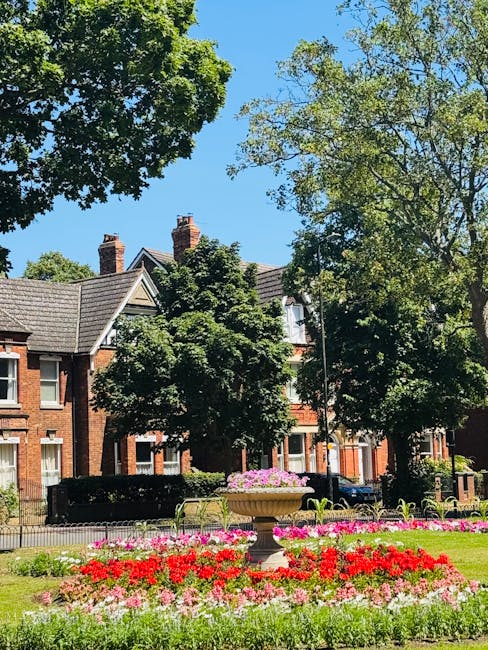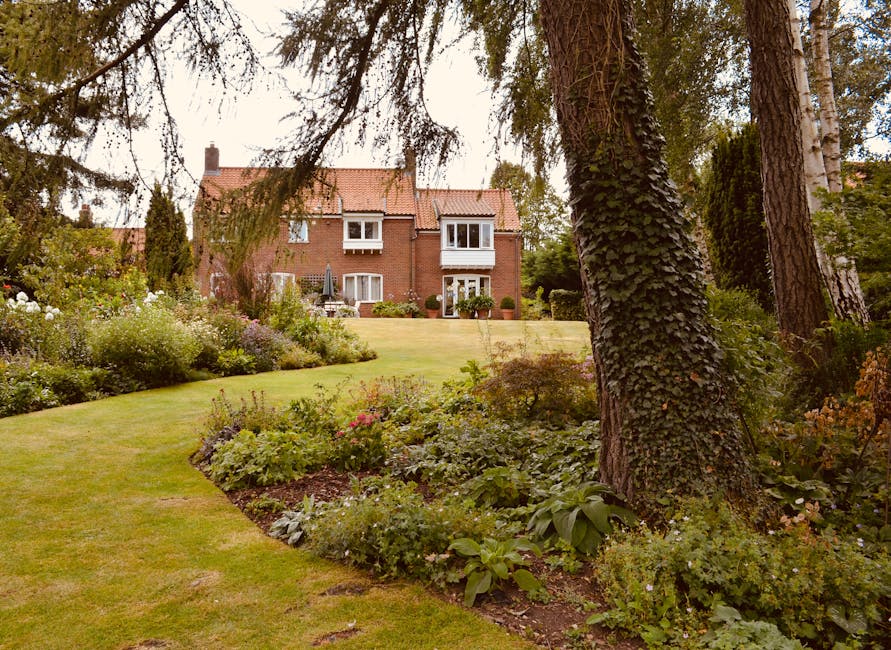
Gardeners Northwood Case Study Front Garden Transformation HA6
If your front garden in HA6 feels more like a pass-through than a welcome, you are not alone. Many Northwood homes have decent bones at the front, but the space ends up looking tired, patchy, or simply underused. This Gardeners Northwood case study front garden transformation HA6 explores how a modest frontage can be turned into something cleaner, calmer, and far more practical without making it look overdone. The real value is not just in the before-and-after effect. It is in the way a well-planned front garden improves kerb appeal, daily usability, and long-term maintenance, all at once.
In this guide, we look at the planning logic behind a front-garden makeover, the most common design choices, the mistakes that quietly ruin good work, and the sensible next steps if you want similar results. A lot of people think front gardens need to be flashy. They do not. They need to be coherent. That is the bit people usually miss.
Why Gardeners Northwood case study front garden transformation HA6 Matters
A front garden does more than frame a property. It sets the tone before anyone reaches the door. In a place like Northwood, where a lot of homes benefit from established streets, mature trees, and mixed plot sizes, the front space has to work a little harder. It has to handle weather, foot traffic, privacy, bins, parking sightlines, and general day-to-day life. Not glamorous, perhaps, but very real.
That is why a front garden transformation is not just about flowers and tidy edges. It is about solving practical issues in a way that still looks elegant. A good result can soften hard paving, reduce visual clutter, and make the property feel more cared for without demanding constant attention. Truth be told, most homeowners want the same thing: less fuss, more order, and a front entrance that does not look embarrassed by November rain.
There is also a value angle. Even when nobody is talking about resale, a neat, well-composed frontage tends to improve first impressions instantly. For some homes, especially those with awkward driveways or overgrown borders, the transformation is less about decoration and more about restoring balance. If the front garden has become a catch-all for weeds, patchy turf, ivy, and neglected edging, the change can feel surprisingly dramatic.
When planning this kind of work, it helps to remember that the front garden is viewed quickly. People do not linger there as they do in back gardens. So the design has to read well from the pavement and from the front window. Clean lines. Simple structure. Strong planting choices. That is usually the winning combination.
How Gardeners Northwood case study front garden transformation HA6 Works
A successful front garden transformation usually starts with assessment, not digging. The site has to be understood first: light levels, drainage, soil condition, existing hard landscaping, root pressure from nearby trees, and whether the space is meant to be decorative, functional, or a mix of both. Skipping this stage is how people end up with lovely plants in the wrong places. A classic mistake, that one.
In practical terms, the process often follows a clear sequence. First comes clearing and cutting back. Then the team shapes the hard structure: paths, edging, borders, and sometimes fencing or screening. After that comes the planting plan, which should suit the amount of sun and shade, the exposure to wind, and the homeowner's appetite for maintenance. Finally, the finishing touches go in: mulch, decorative gravel, soil improvement, lighting, or a compact seating spot if space allows.
The best transformations usually combine soft and hard elements. Hard landscaping gives the front garden its shape. Planting gives it life. Without structure, it can feel messy; without planting, it can feel sterile. The trick is getting that middle ground right.
If the frontage is badly neglected, a careful reset may be needed before any design work starts. In some cases, it makes sense to rethink a neglected garden space before adding new features. In others, the issue is specific rather than broad, such as ivy invading boundaries or hedge lines getting out of hand. For that, targeted work and regular trimming are usually the smarter route, and hedge trimming techniques matter more than most people realise.
Key Benefits and Practical Advantages
The obvious benefit is appearance. A transformed front garden looks cleaner, better maintained, and more deliberate. But the more useful benefits are the ones people notice over time.
- Better kerb appeal: The frontage looks coordinated rather than improvised.
- Lower maintenance pressure: Good plant choices and simple structure reduce weekly upkeep.
- Improved drainage and resilience: Proper ground preparation helps water move away more sensibly.
- More privacy: Thoughtful screening can soften direct views into the property.
- Safer access: Clear paths and defined borders make movement easier for visitors and deliveries.
- Year-round interest: Evergreen structure keeps the garden looking presentable in winter.
There is also a subtle psychological benefit. A front garden that feels sorted makes the whole house feel calmer. You notice it when you arrive home in the evening, especially on a wet Northwood afternoon when the light is fading and the drive looks less than inspiring. Small thing, maybe. But not really small.
For homes where the front garden is competing with parking, bins, and narrow access, the transformation needs to be smarter rather than bigger. In those cases, low-maintenance planting, compact structure, and tidy surfaces tend to outperform anything overly decorative. If a lawn is part of the design, it should be one that can genuinely be maintained, ideally supported by practical care like lawn care and a realistic mowing schedule rather than wishful thinking.
Who This Is For and When It Makes Sense
This kind of project suits homeowners who want the front of their property to feel finished, not fussy. It is especially useful if the current space suffers from one or more of the following: tired turf, overgrown hedges, too much bare soil, awkward paving, poor privacy, or a layout that has simply drifted over the years.
It also makes sense for busy households. If you do not want to spend every weekend weeding, deadheading, or re-edging borders, the front garden should be designed around low-maintenance resilience from the start. That often means fewer plant species, clearer spacing, and more emphasis on structure. A carefully chosen combination of ground cover, shrubs, and seasonal colour tends to be far easier to live with than a complicated planting scheme that looks great in May and troublesome by August.
On the other hand, if you love gardening and enjoy changing displays through the year, the front garden can become a small stage for that. Container planting, clipped shapes, and a few feature plants can make the space feel more personal. If you like the idea of flexible planting that can be refreshed with less disruption, a few container gardening ideas can be very useful.
It is also a strong fit for families who want safer access and a neater, more legible entrance. Add a well-kept path, make the boundary clear, and suddenly the whole front area feels easier to navigate. Not exciting perhaps, but very useful.
Step-by-Step Guidance
Below is a practical way to approach a front garden transformation in HA6. The sequence matters. Rushing straight to planting is how people end up redoing the same work six months later.
- Assess the existing space. Note sun, shade, drainage, access points, and any awkward corners. Look at the garden from the pavement and from the front door. What feels messy? What feels empty?
- Clear what no longer helps. Remove dead plants, invasive growth, broken edging, and anything that blocks the design. If ivy has taken over walls or borders, deal with that early rather than later.
- Decide the main job of the space. Is it decorative, practical, or both? Do you need privacy, parking definition, a path, or just a tidier presentation?
- Set the hard structure first. Edging, paving, gravel, fencing, or screening should be sorted before plants go in. The frame comes first.
- Improve the soil or base. Front gardens are often compacted and depleted. Some benefit from a fresh layer of soil improvement or mulching.
- Choose a planting palette. Keep it focused. Mix evergreen structure with one or two seasonal accents rather than scattering many unrelated plants around.
- Finish with detail work. Clean lines, neat joints, tidy borders, and a final sweep make a bigger difference than people expect. It is the last 10% that people actually notice.
If the area includes paths or patios, it is worth dealing with surface grime and moss before the visual reveal. A transformed border beside a dirty path will never look quite right. For that reason, patio cleaning can be a smart finishing step rather than an afterthought.
Sometimes the job is broader than front-garden soft landscaping alone. If the property needs layout changes, screens, structure, or new boundary treatment, the right move may be to combine planting with landscaping or even fencing where privacy or definition is lacking. That is not overkill. It is just honest design.
Expert Tips for Better Results
Here is where experience really matters. The difference between a decent transformation and a genuinely polished one often comes down to small decisions made early.
Keep the palette restrained. Three to five repeating materials or plant types is often enough. The more random the mix, the less settled the space feels. Repetition can be lovely, honestly.
Use evergreen structure. Especially in a front garden, winter matters. A bed that collapses visually from October to March can make the whole property look neglected. Evergreen shrubs, clipped forms, or strong structural grasses can help maintain shape. For shady or difficult corners, some evergreen planting for shaded corners can solve a problem you may have been ignoring for years.
Do not overload small spaces. A compact front garden is not improved by cramming in too much. Leave breathing room around plants and paths. Empty space is not failure; it is clarity.
Think about wind and exposure. Front gardens tend to take more weather than back gardens, especially on open roads. Choosing plants and materials that can handle that exposure pays off. If your frontage is particularly blustery, wind management techniques can make the planting last much better.
Plan for the view from indoors. You will look at the front garden from the hallway, kitchen, or landing far more often than from the pavement. That view matters. A good design works both ways.
Maintain edges obsessively, but quietly. There is a reason neat edging always looks expensive. It is not dramatic. It is disciplined. A little boring, in the best way.
And one more thing: if you want the transformation to stay attractive with less effort, borrow ideas from low-maintenance garden design rather than from magazine spreads that assume full-time attention. Real life wins, every time.
Common Mistakes to Avoid
A lot of front-garden projects fail not because the work is poor, but because the brief is vague. The homeowner wanted "something nicer," which, to be fair, is not much to work with.
1. Choosing plants for looks alone. A plant that looks perfect in a nursery can be a nightmare in a windy, shaded, or compact front border. Always match the plant to the site.
2. Ignoring maintenance from day one. If a design needs weekly pruning just to stay readable, it may not be the right design. Beauty that only survives with constant labour is a bit of a trap.
3. Overcomplicating the layout. Too many shapes, too many materials, too many focal points. Simple usually ages better.
4. Leaving drainage unresolved. Standing water, soggy borders, or compacted soil can undo the investment fast. A pretty bed that floods is not a win.
5. Forgetting boundary issues. Front gardens often sit close to paths, roads, or neighbours. Screening, hedge height, and access all need to be considered properly.
6. Neglecting the aftercare plan. Even a low-maintenance front garden needs a bit of settling-in support. New planting should be checked, watered, and adjusted through the first season.
If you are dealing with overgrowth, start by removing the problem cleanly. If it is ivy, do not just trim the surface and hope for the best. There are more effective ways to free your yard from ivy without setting yourself up for another battle next spring.
Tools, Resources and Recommendations
You do not need a shed full of specialist gear for a front garden transformation, but the right tools make the work cleaner and safer. The basics are boring and essential: secateurs, loppers, a spade, a fork, a rake, a hoe, a hose or watering can, and a decent pair of gloves. A string line and measuring tape are also useful for keeping edges and planting runs straight.
If you are tackling the job yourself, start with a realistic assessment of what you can complete well. Heavy clearing, root removal, or structural changes are often best handled with support. You can find useful background on practical setup in key gardening tools for outdoor work, especially if you are planning to maintain the space yourself after the main transformation is done.
For planting recommendations, think in layers:
- Structure: evergreen shrubs, clipped forms, small hedging, or screen plants.
- Middle layer: compact perennials or repeated seasonal planting.
- Ground layer: mulch, low ground cover, or gravel to keep weeds down and reduce bare soil.
That layered approach gives the design depth without making it hard to care for. It also helps the garden look full without looking crowded.
In some front gardens, especially where the space is small or exposed, a mix of container planting and permanent structure works well. If the home has a modern look, or if the border is narrow, vertical features can create impact without taking up walking space. That is where vertical gardening becomes more than just a trend.
And if the existing front lawn is part of the problem, do not ignore it. Patchy grass is often the quickest way to make a frontage look tired. A proper care routine, or even replacing the lawn with a lower-maintenance alternative, may be the smarter long-term move.
Law, Compliance, Standards, or Best Practice
Front garden work in the UK often sits inside practical constraints rather than dramatic legal ones, but those constraints still matter. If the design touches boundaries, shared access, visibility at a driveway, or trees with root systems close to the frontage, a careful approach is wise. In Northwood and the wider London area, it is sensible to think about neighbours, sightlines, and any boundary responsibility before changing levels or installing screening.
Where trees are involved, especially mature specimens near the front boundary, root zones and canopy spread should be treated with respect. If a tree is unhealthy, dangerous, or simply too large for the setting, tree surgery may be the right conversation to have before any new planting goes in.
Best practice also means using methods and materials that suit the site, avoiding wasteful rework, and working safely. That includes sensible lifting techniques, secure tools, and a clear plan for waste removal. If work is being carried out professionally, clients should expect a clear brief, tidy workmanship, and transparent communication about what is included. If anything is unclear, ask. Seriously, ask.
For larger jobs or any project involving heavier materials, it is sensible to review a contractor's health and safety policy and service terms. That is not paperwork for paperwork's sake. It is part of making sure the job runs smoothly and everyone knows what to expect.
There is also a simple ethical point: good garden work should not create drainage problems, nuisance, or unsafe access. The best front garden transformations are the ones that make the property easier to live with, not harder.
Options, Methods, or Comparison Table
There is no single way to transform a front garden in HA6. The right method depends on the size, exposure, purpose, and budget of the space. Here is a simple comparison of common approaches.
| Method | Best for | Strengths | Limitations |
|---|---|---|---|
| Simple tidy-up and re-edging | Homes needing a quick visual reset | Fast, cost-conscious, immediately neater | May not solve deeper layout issues |
| Soft landscaping refresh | Borders, planting, and seasonal interest | More colour and texture, better kerb appeal | Needs some aftercare and site matching |
| Hard landscaping plus planting | Frontages with awkward access or tired surfaces | Strong structure, long-term clarity, easier to maintain | More planning and higher upfront effort |
| Low-maintenance redesign | Busy households and rental-style practicality | Reduced upkeep, clear structure, reliable look through winter | Can feel less lush if underplanted |
| Privacy-led frontage | Properties close to the road | More seclusion and comfort | Needs careful attention to height and openness |
In real life, many of the best results use a blend of methods. A straightforward tidy-up alone can be enough for some homes. Others need a complete reset. The point is to match the method to the problem rather than forcing the garden into a trend.
Case Study or Real-World Example
Here is a practical example of how a front-garden transformation in HA6 can unfold.
A Northwood property had a front area that had slowly become cluttered: uneven lawn, tired shrubs, overgrown edging, and a narrow path that looked smaller than it was. The space was not ruined, just neglected. The owner wanted something smarter and easier to manage, with a calmer look from the street and less ongoing hassle.
The work began with clearing and selective pruning. The biggest improvement came from removing visual noise. Once the overgrowth was cut back, the front of the house immediately felt more open. That alone changed the mood. Then the border layout was simplified, the path edges were sharpened, and the planting palette was reduced to a more coherent set of evergreen structure and lower-maintenance seasonal colour.
A small amount of soil improvement helped the new planting settle properly. The finishing touches were simple: clean edges, better surface definition, and a clearer route from gate to front door. No gimmicks. No overcomplication.
What changed most was not just the appearance but the way the space functioned. The entrance felt easier to approach. The planting looked intentional. The whole frontage sat better with the property. That is the real mark of a good transformation: it looks as though it was always meant to be there.
If the same kind of result appeals to you, it is usually worth starting with a conversation about the space, the maintenance level you want, and the long-term shape of the design. A smart front garden is planned, not improvised.
Practical Checklist
Use this checklist if you are planning your own front garden transformation in Northwood or HA6.
- Assess light, shade, drainage, and access.
- Remove dead growth, weeds, and broken materials.
- Decide whether the space is decorative, practical, or both.
- Choose a simple, repeatable planting palette.
- Check whether screening or boundary definition is needed.
- Improve soil or growing medium before planting.
- Keep paths, edging, and borders visually clean.
- Use evergreen structure so the space still looks good in winter.
- Make sure the design suits your actual maintenance routine.
- Review whether hard landscaping or fencing would solve a deeper issue.
- Plan aftercare for the first few weeks and the first season.
If you want a more maintenance-ready result, it can help to look at garden maintenance as part of the long-term plan rather than a separate problem to solve later. That mindset saves a lot of frustration.
Key takeaway: the best front garden transformations are not the most complicated ones. They are the ones that suit the house, the street, and the way you actually live.
Conclusion
A well-executed front garden transformation in HA6 does more than tidy up the entrance. It creates structure, improves first impressions, and makes daily life a little easier. That is why this kind of project has such lasting value. It is practical, yes, but it is also quietly uplifting. You pull up outside and the whole place feels more settled.
The strongest results usually come from clear planning, simple materials, plant choices that suit the site, and a realistic maintenance plan. Whether you need a light refresh or a full redesign, the real goal is the same: a front garden that looks good in all seasons without becoming another job you resent. Fair enough, that sounds obvious. Yet it is exactly where many projects go wrong.
Get a free quote today and see how much you can save.
For a thoughtful, local approach to your front garden transformation, learn more about the team behind the work through about us and start the next chapter with confidence. A better front garden can change the way a home feels, and sometimes that is the part people remember most.
Frequently Asked Questions
What does a front garden transformation in HA6 usually include?
It usually includes clearing, pruning, edging, soil improvement, planting, and sometimes hard landscaping such as paths, fencing, or gravel. The exact mix depends on the space and how much maintenance the homeowner wants.
How long does a front garden makeover take?
Smaller refreshes can be completed quite quickly, while more involved transformations take longer because planning, preparation, and finish quality matter. Weather and site condition can also affect timing.
Can a small front garden still make a big visual impact?
Absolutely. Small spaces often respond very well to simple structure, repetition, and a restrained planting palette. In fact, smaller front gardens can look more polished than larger ones if the design is disciplined.
Is low-maintenance landscaping a good idea for front gardens?
Yes, especially for busy households. Low-maintenance front gardens can still look attractive if evergreen structure, durable materials, and sensible spacing are used from the start.
What are the biggest mistakes people make with front gardens?
The most common mistakes are overcomplicating the layout, choosing plants that do not suit the site, ignoring drainage, and forgetting that front gardens need to look good in winter as well as summer.
Do I need hard landscaping for a front garden transformation?
Not always. Some front gardens only need better planting and tidier borders. But if access, drainage, privacy, or layout are issues, hard landscaping can make the design far more effective.
How do I make a front garden look good all year round?
Use evergreen structure, repeat key plants, and avoid relying only on seasonal colour. A winter-ready design should still look intentional when flowers are not at their best.
What if my front garden has poor soil or compacted ground?
That is common. Soil improvement, mulch, and careful plant selection can help a great deal. Sometimes the surface needs to be reworked before any planting will thrive.
Can screening or fencing be part of the design?
Yes, if it improves privacy, safety, or visual clarity. The key is to keep screening balanced so the frontage does not feel closed in or heavy.
Should I include a lawn in a front garden redesign?
Only if it makes sense for the space and the upkeep you can realistically manage. Many front gardens work better with ground cover, planting beds, or mixed hard landscaping instead of a traditional lawn.
What should I ask before hiring a gardener for this kind of project?
Ask about the proposed design approach, maintenance level, expected timeline, waste handling, and whether the work aligns with your budget. It is also wise to check service terms and safety practices before work begins.
What is the best next step if I want a front garden transformation in Northwood?
Start with a clear idea of what is bothering you most: clutter, lack of privacy, poor structure, or too much maintenance. Once that is defined, it becomes much easier to plan a practical and attractive transformation.